Can we brew a sustainable plastic?
The challenges we face today are infinitely complex. No one person or field of study can solve climate change, health epidemics, or social and racial inequality. The world needs diverse perspectives, innovative ideas, and revolutionary collaboration to move us forward.
WashU is the place where learners, thinkers, leaders and doers inspire each other to ask the right questions, balancing rigor in research and discovery with radical empathy.
Connecting brilliant minds to solve today’s complex issues—together.
This is what WashU can do.
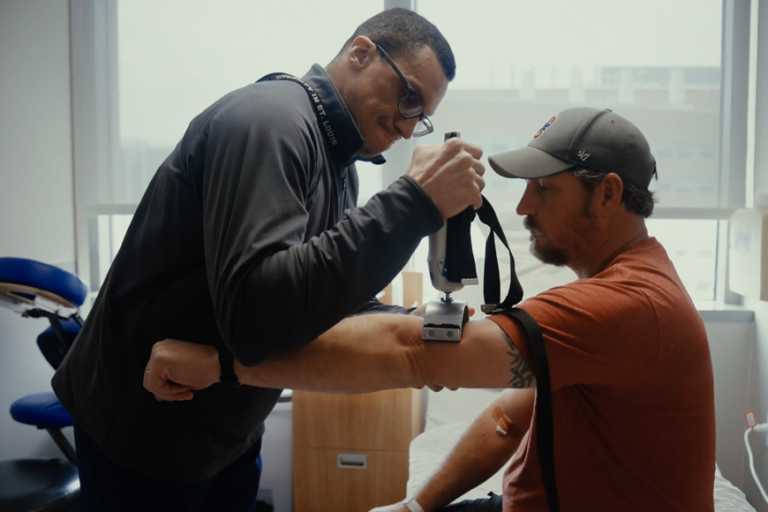
Can we reverse the cruelty of ALS?
ALS has long followed the same devastating script: independence, speech, then breath, slipping away while patients stay aware. Dr. Timothy Miller spent two decades trying to change that ending. Now his gene targeted therapy stops the disease, and in some patients, reverses it.
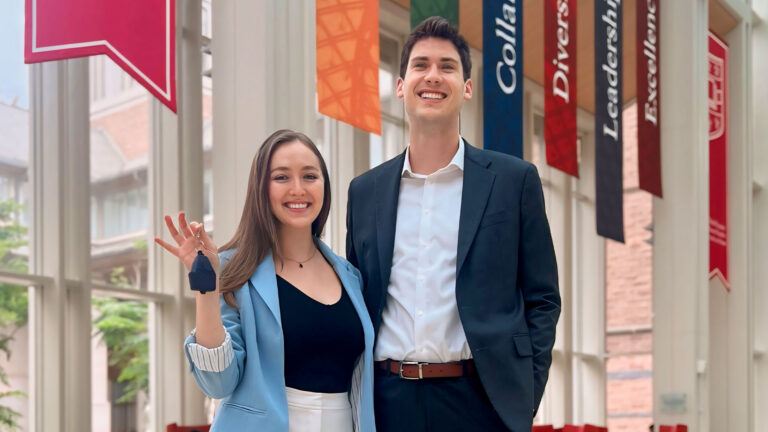
Can we turn bystanders into life savers?
Two WashU alums have designed a creative solution to help prevent opioid overdoses. Their convenient carrying case holds a dose of naloxone nasal spray (commonly known as Narcan) and can clip to your keychain, ensuring that this lifesaving drug is always within reach.
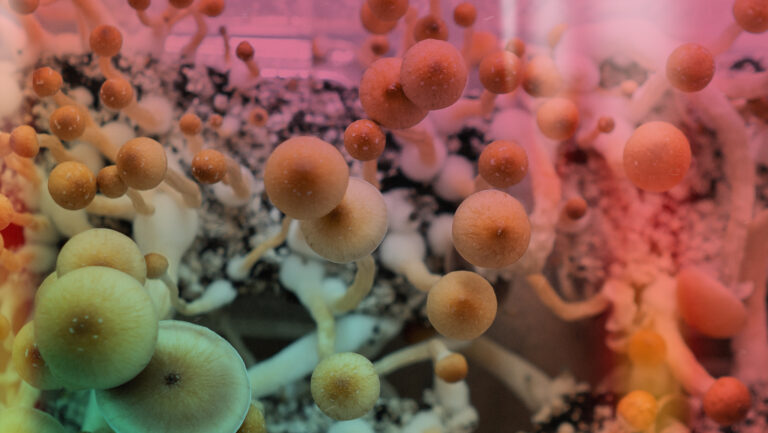
Can we end years of depression with psychedelics?
Depression affects hundreds of millions worldwide, and for millions of Americans with treatment-resistant depression, current treatments fail to relieve their suffering. At the Center for Holistic Interdisciplinary Research in Psychedelics (CHIRP), WashU scientists, clinicians and social workers are teaming up to understand how substances like psilocybin, which has been used for thousands of years in […]
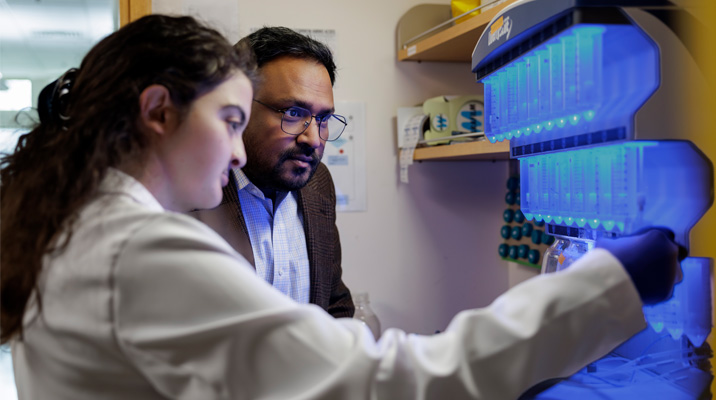
Can we prevent Alzheimer’s disease?
Alzheimer’s disease affects more than 7 million Americans. While new drugs have offered some relief, they haven’t done enough and some have serious side effects. WashU researchers are working on a new approach that they hope will help the body recognize and clear away the harmful proteins that drive Alzheimer’s — without the dangerous side effects.
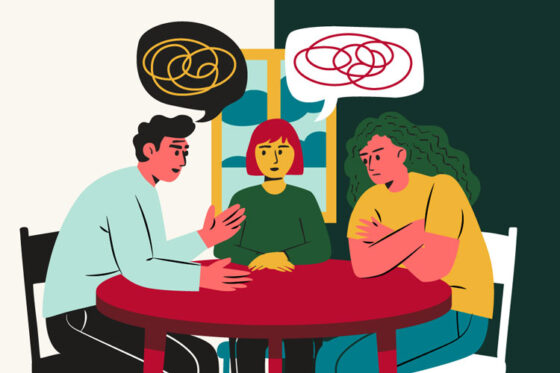
Can we get comfortable with uncomfortable conversations?
Our students learn that different perspectives don’t have to divide us. They can spark growth, discovery and stronger communities. We also give our students the critical-thinking tools they need to turn uncertainty into decisive action. So, learning how to have those tough talks might even open minds, forge connection and conquer our toughest challenges.
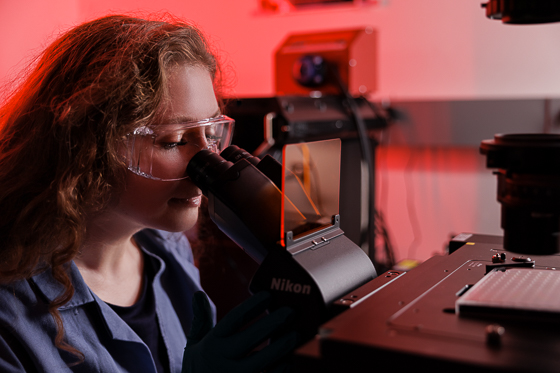
Can we stop cancer before it starts?
Unmute Tracking RNA editing errors Our genetic code is constantly edited and revised as cells divide. Editing errors can lead to cancer and other diseases, so being able to track these rogue RNA edits could help explain the origins of the disease and identify new targets for therapy. “RNA editing is critical for our cells […]
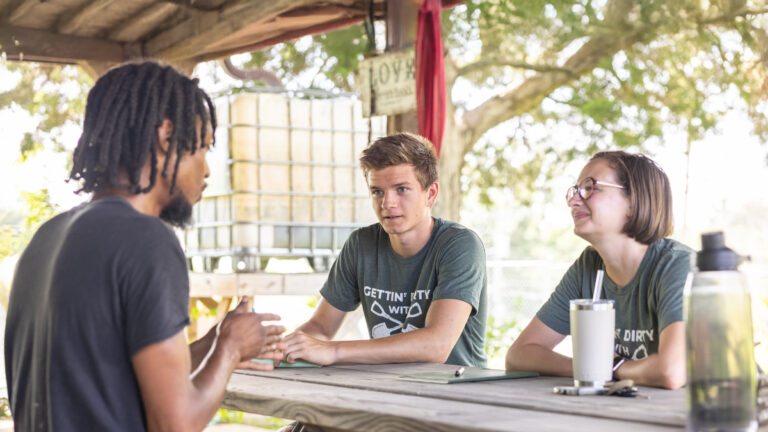
Can we help students get the jobs they want?
Why internships matter Students with internships are twice as likely to land a job at graduation. That’s why WashU makes paid internships available as early as the summer after their freshman year. What sets WashU apart Earlier access We make internships available to students the summer before their sophomore year. This means students have access to […]
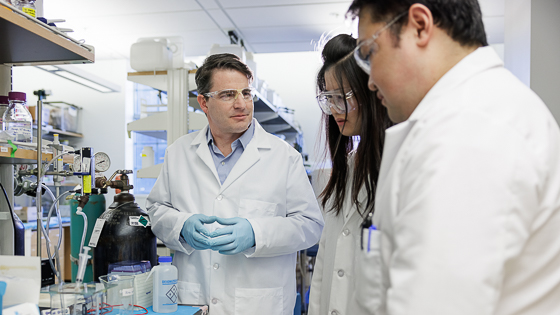
Can we make drinking water safer?
Trusted Tap, a new program from WashU’s Center for the Environment, provides the testing and information people need to ensure they have safe drinking water. Users send in their used Trusted Tap faucet filters for testing and analysis, giving families a way to track their water quality over time and monitor changes.

Can fashion stop invasive species?
This WashU engineering alum never envisioned a career in fashion. But using the skills he learned at WashU, he co-founded a business that transforms harmful invasive species into luxurious exotic leathers that protect Earth’s ecosystems and restore native biodiversity.
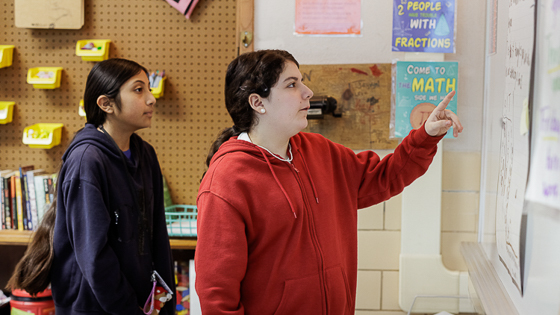
Can our kids gain ground in math and science?
U.S. students are falling behind in math and science, especially with the learning lost during COVID. To find answers to this stubborn problem, WashU has partnered with local schools and teachers to build high-quality STEM programs.