Can we end years of depression with psychedelics?
WashU experts are using psychedelic-assisted therapy to “reboot” the brain, providing lasting relief from treatment-resistant depression.
Depression affects hundreds of millions worldwide, and for millions of Americans with treatment-resistant depression, current treatments fail to relieve their suffering. At the Center for Holistic Interdisciplinary Research in Psychedelics (CHIRP), WashU scientists, clinicians and social workers are teaming up to understand how substances like psilocybin, which has been used for thousands of years in healing traditions, might help people today in psychedelic-assisted therapy (PAT).
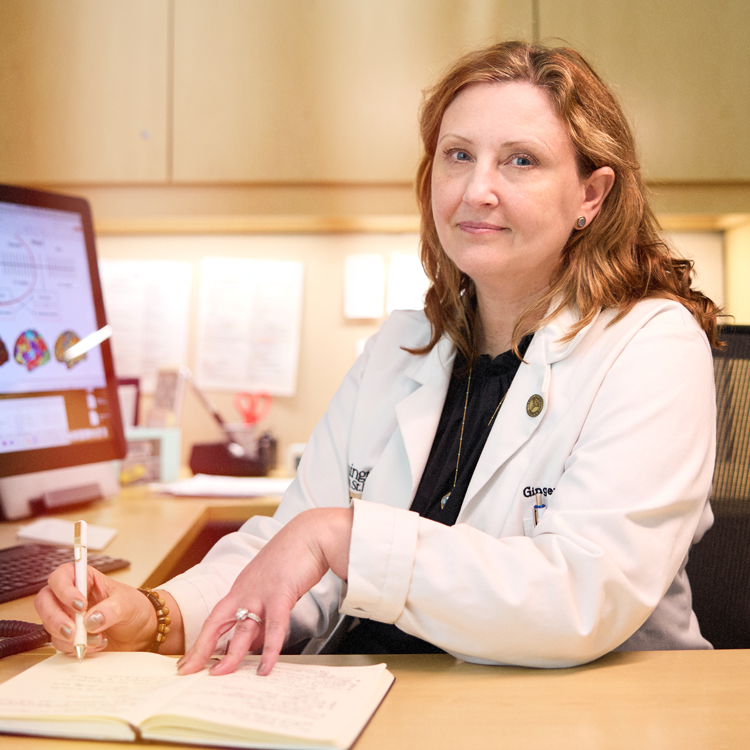
We desperately need new approaches to treating mental health disorders. For PTSD, our best therapies help only about a third of patients, which is tragic because it literally kills people.
Ginger Nicol
A reason for hope
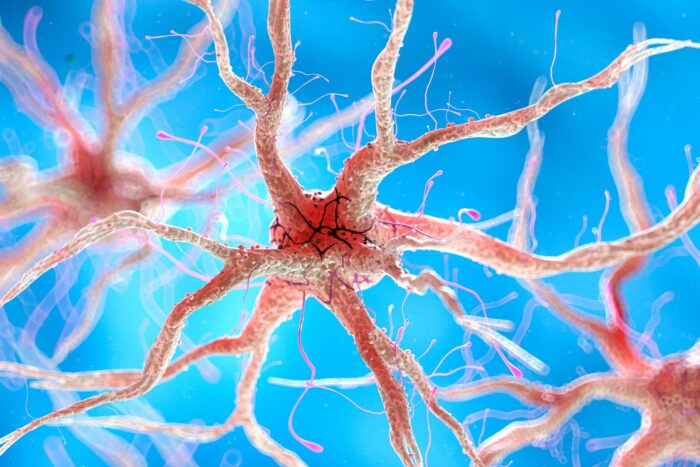
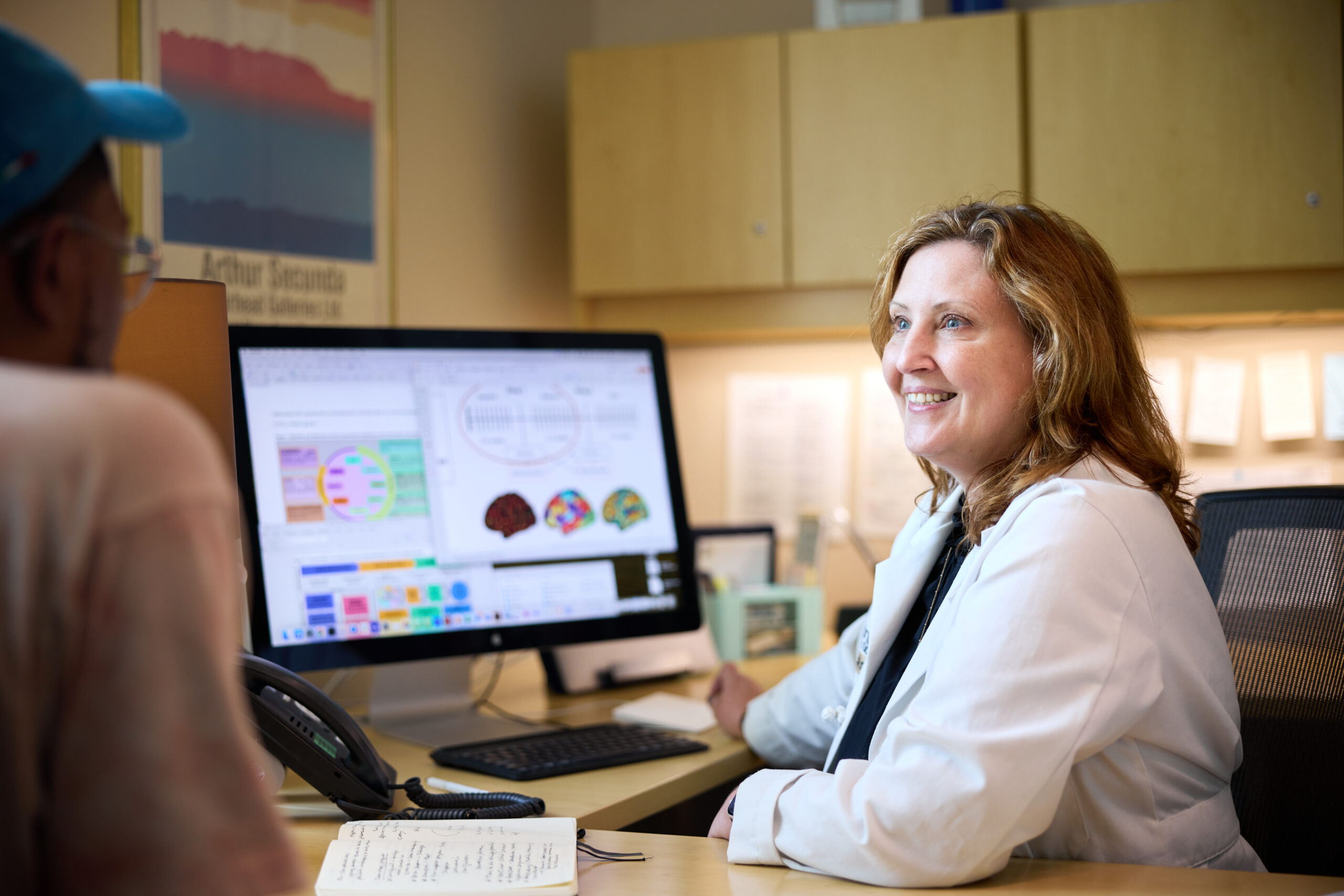
Psychedelics appear to activate the brain’s ability to form new pathways and break out of the rigid patterns linked to depression. Researchers can actually watch the brain change in stunning detail, using WashU’s cutting-edge brain-imaging tools. Their scans show that after psilocybin, the brain becomes more open to fresh thinking and emotional flexibility. Some of these positive changes even linger for weeks.
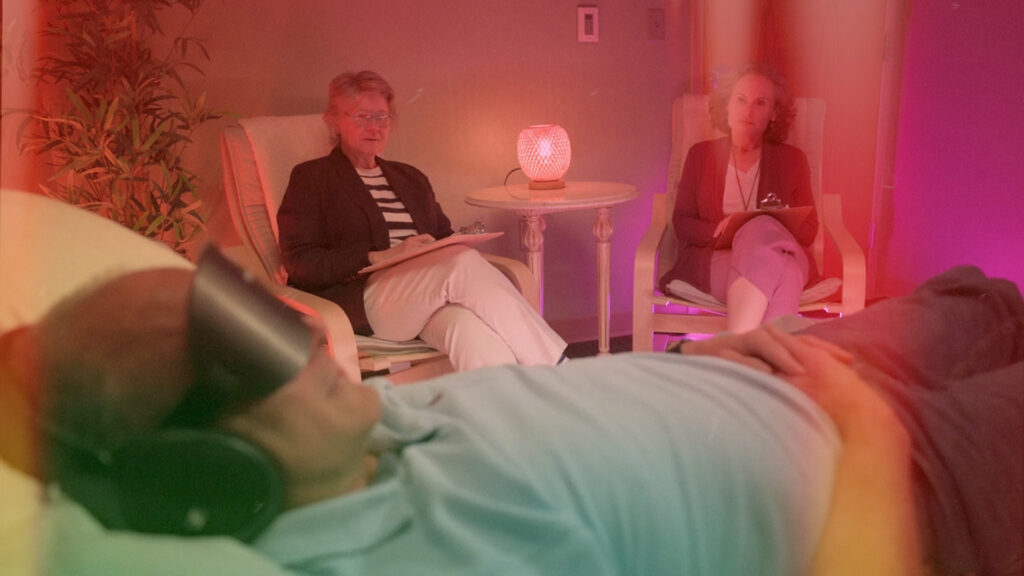
The drug trip makes the headline, but the real work is done before and after with a skilled and trained therapist.
Critically, the drug isn’t used alone; it is only one small piece of PAT. Trained psychotherapists lead patients through preparation, the dosing experience, and integration afterward, helping the patient harness the psychedelic experience to form new brain pathways and achieve lasting relief.
Guiding someone through a psychedelic experience requires a specific kind of training that blends clinical skill, cultural awareness, and deep human presence. At the Brown School, faculty are training the next generation of therapists to deliver PAT safely and meaningfully to the communities that need it most.


Ready to help from day one
By bringing medical researchers and social workers together, equity is baked in to CHIRP’s mission and operations. After all, the people most likely to live with treatment-resistant depression are also the least likely to access emerging therapies. WashU is working to change that by building the infrastructure, training the workforce, and shaping the policy frameworks needed before FDA approval even arrives.
This is about to get FDA approved. So, instead of waiting for that to happen, why don’t we start working on that now, and making sure that when FDA approves, we have the infrastructure ready to deliver this care to those that most need it.
Leopoldo J. Cabassa
Reshaping mental health care for those who need it most.