Yes. Because owning naloxone, the drug that reverses an opioid overdose, and actually having it on you when it matters are not the same thing.
In 2018, Dani Wilder lost a close friend to an overdose. People with her friend owned Narcan, but none of them had it that night. Years later, in medical school at WashU, her classmates walked past a man overdosing. They were trained but empty-handed. The pattern was impossible to ignore.
“That’s when we started realizing there was a problem,” Wilder says. “I wondered, ‘How do I get myself to carry Narcan? How do I get people to build it into their everyday lives?'”
She brought the idea to her then-boyfriend, now husband, Matt Bitner-Glindzicz, a WashU-trained engineer, and the two got to work on a prototype.
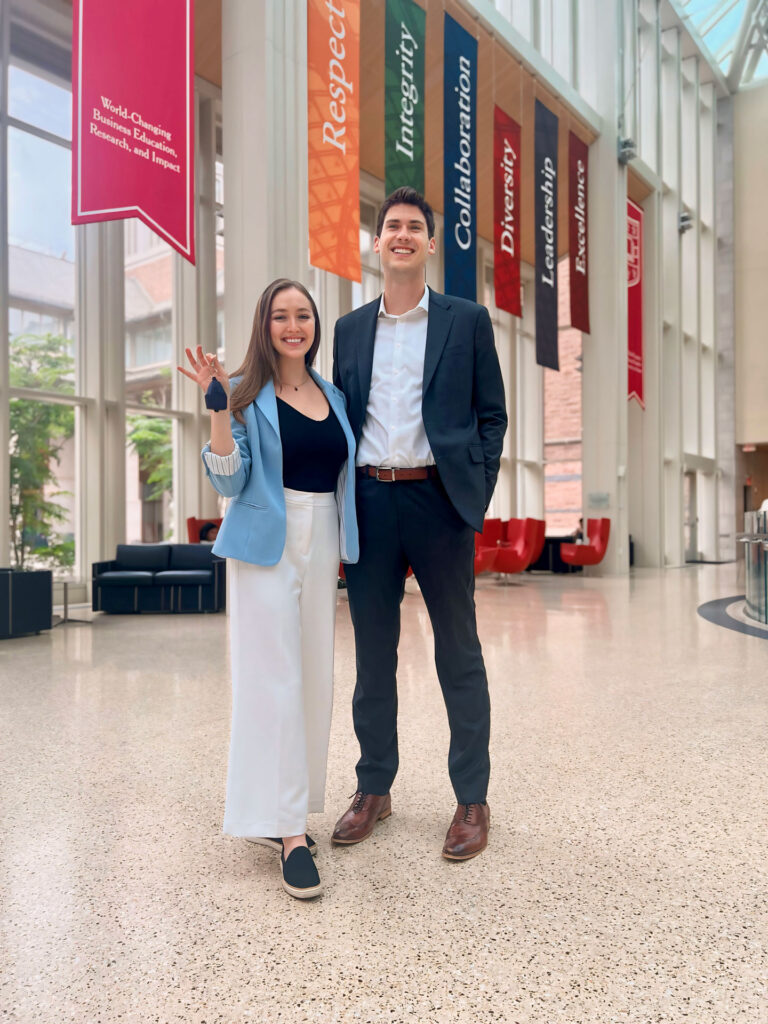
We saw a very easy solution to a big problem
Dani Wilder
and decided it was time to act.
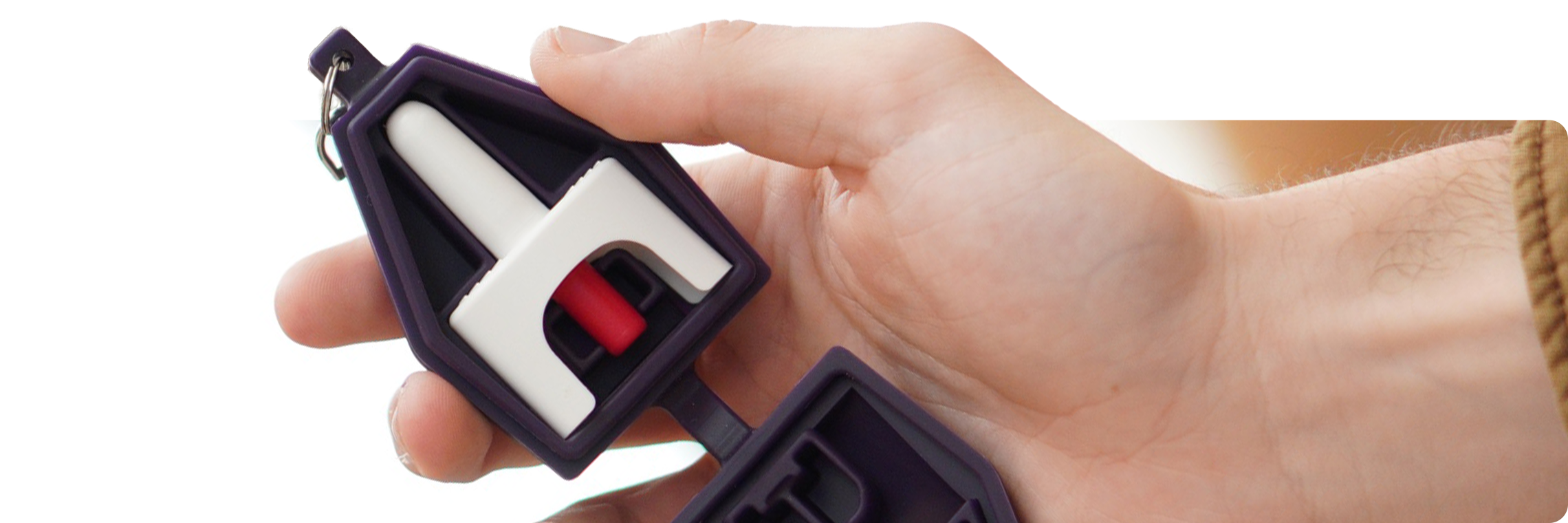
What they built is a case that clips to a keychain and turns “I own Narcan” into “I have it on me.”
So simple, so effective.
Their idea has already made a difference. Users report they’re more likely to carry Narcan now. Wilder and Bitner-Glindzicz have heard stories of lives saved, and they know there are more they’ll never hear about.
That’s why the real innovation isn’t the case. It’s closing the half-second between noticing someone in trouble and being equipped to act. An engineer and a medical student closed that half-second together.
Making heroes out of everyday people.