Statements from university leadership through the years
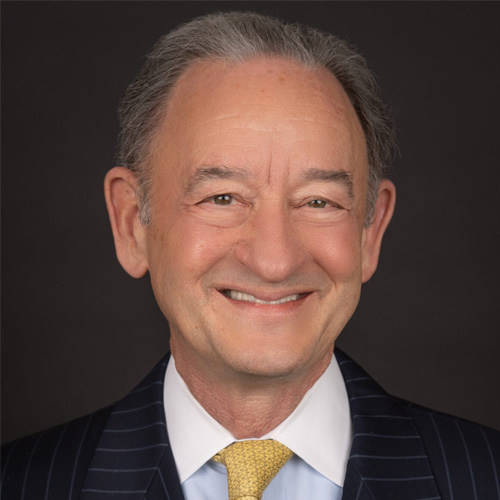
“To fulfill that critical aspect of our mission — to truly make a positive difference, individually and collectively — we must be a community in which every one of us feels empowered to offer ideas and perspectives. We charged our faculty with the important task of developing this principle to help us sustain an open, creative, innovative and intellectually stimulating environment on our campuses.”
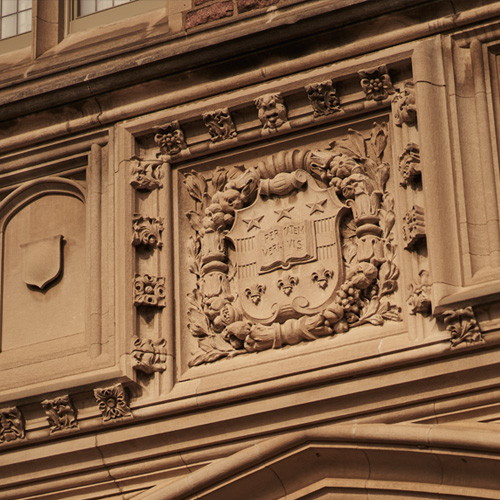
“As an institution, we affirm the importance of academic freedom and the rigor it provides to our learning environments. At the same time, we remain mindful of the varied responses that subject matter can evoke in learners, especially those who have experienced trauma. We believe that upholding the values of academic freedom and maintaining respect for individual responses to course material are both important goals.”
— Standing Committee on Facilitating Inclusive Classrooms
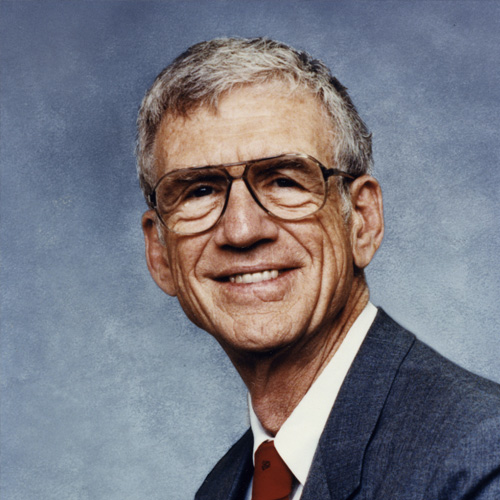
“In the 1950s, when many universities caved in to pressure to dismiss faculty for political reasons, Washington University received national recognition for supporting the rights of those with very unpopular views. Thus, the university safeguards the efforts of faculty and students who seek to come closer to the truth and then report what they find. This protection, called academic freedom, not only serves the interests of the individual, but it also promotes the well-being of society. … We humans will always be wrestling with the extent and limits of our freedoms and of our responsibilities. To do so with civility and respect for the views of others is in Washington University’s tradition and remains our continuing challenge.”
Statements from faculty experts through the years
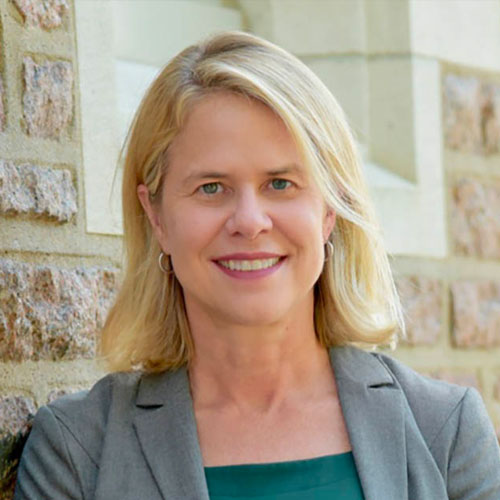
“Our debates over free speech are in many ways akin to conflicts over reckoning honestly with the painful parts of our nation’s history, like slavery and structural racism or violence and discrimination toward native Americans, immigrants, and others. A commitment to free speech, even when it hurts, is parallel to a commitment to free inquiry and open-eyed attention to the worst as well as the best we have been as a people.”
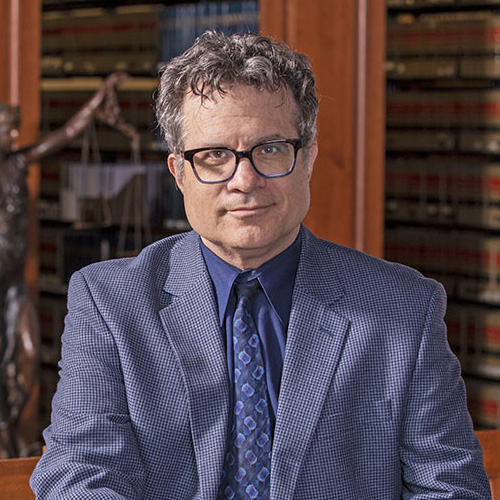
“Protecting free speech is essential for social progress. Speaking and writing are the most potent tools that liberal democracy offers for changing allocations of political and social power.”
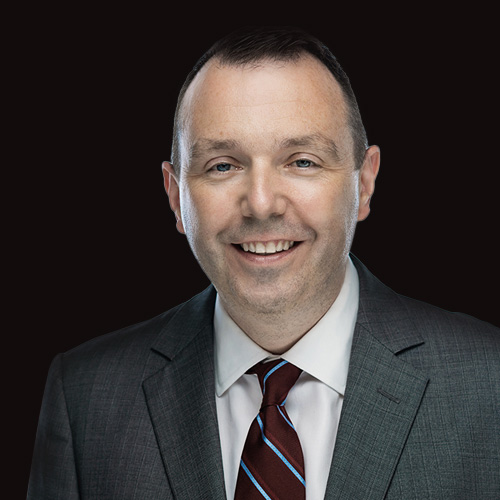
“There have probably never been so few government restrictions on expression in any society at any point in human history. But at the same time, the United States is experiencing an undeniable free speech crisis. People are trying to silence each other; people aren’t listening to each other. Many times, it seems that different members of our society are living in parallel, almost untouching realities. If we’re interested in building a cohesive, democratic society that produces good governing decisions more often than not, when it comes to the free speech side of things, I think we’re in a very bad place.”
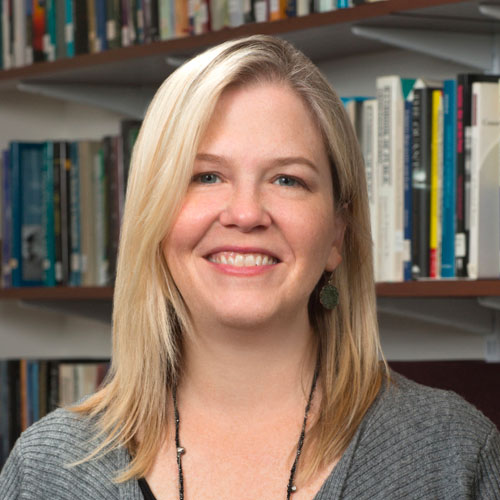
“Political disruption can compel people to pay attention to problems that they would rather ignore.”
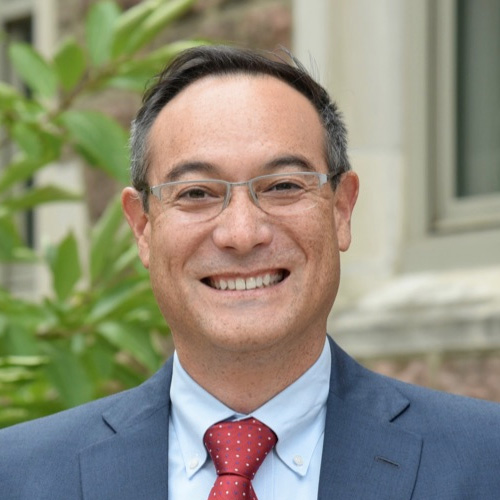
“Free speech is about us and who we are. It’s a garbage-in, garbage-out problem. We can talk about lots of people and actors we want to blame — social media, private companies, government — but at the end of the day, all of these actors are responding to what we do. And they’re complicating it with algorithms and other motives, but at the end of the day, we’re forming the people we are, and that’s a problem.”