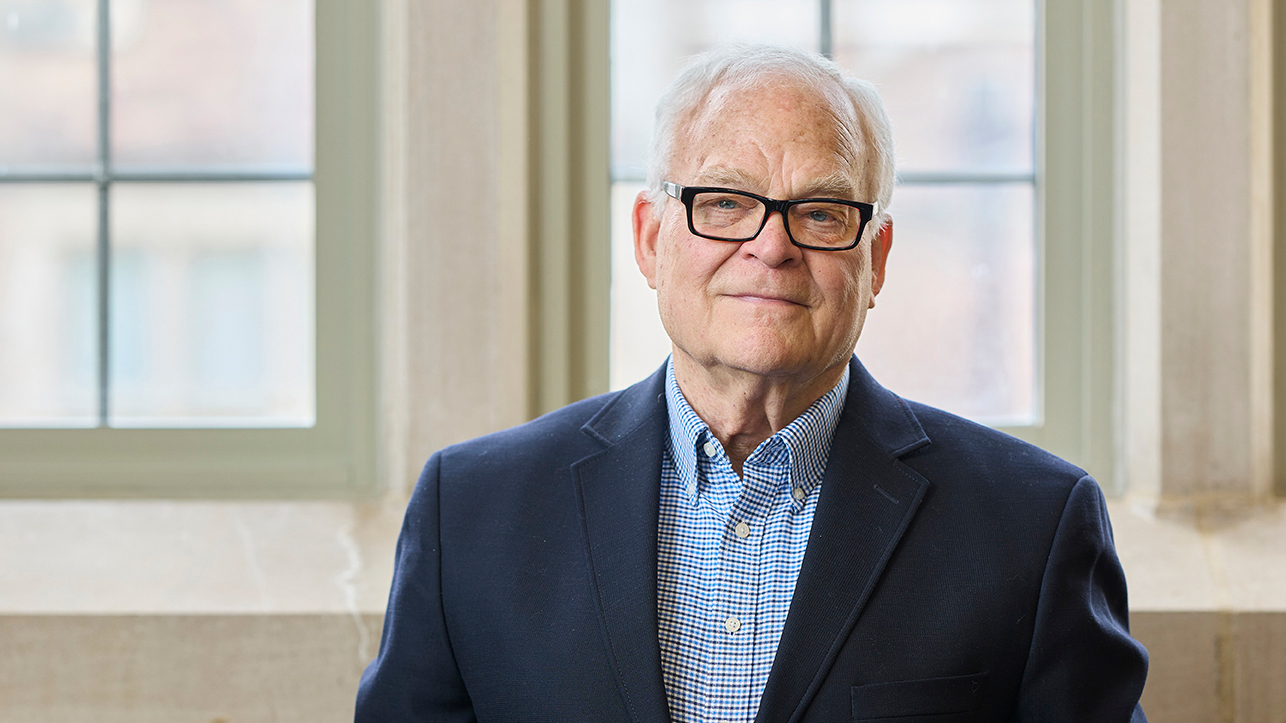
WashU research points to a fix that starts at birth: building assets for every child, automatically.
Generational poverty isn’t an inevitability. It’s a design flaw. Traditional safety nets cover this month’s bills but leave nothing left to save for the future.
In the 1980s, WashU researcher Michael Sherraden listened to women on welfare describe their frustration: “They could not accumulate resources for long-term goals,” he recalls.
So he designed a fix: lifelong asset building, starting with the Child Development Account (CDA), an investment account opened automatically at birth for every child.
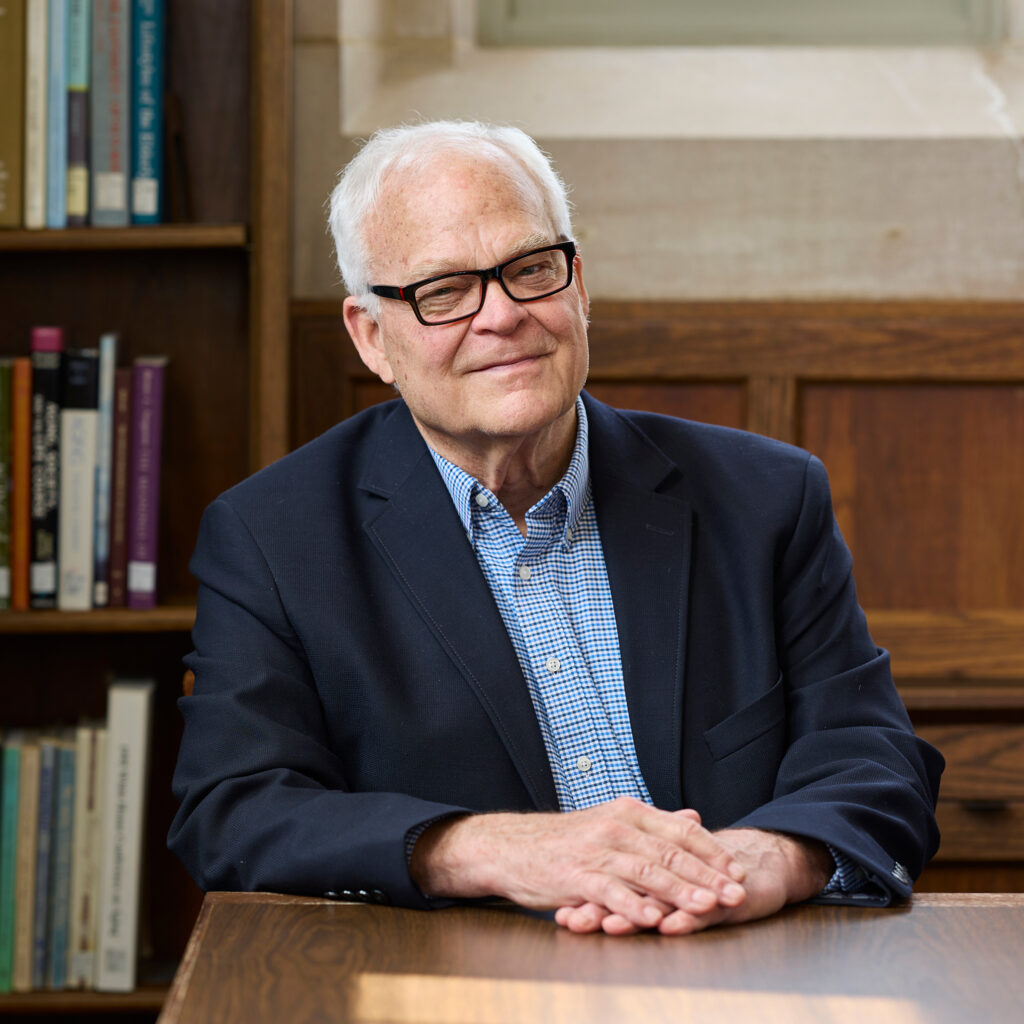
Every child deserves a fair chance, and in a wealthy nation, every child deserves to have a little bit of that wealth so she can have a brighter future. We have shown in rigorous research that this is effective. This is not charity. It is how more people can develop to build a stronger nation and better world.
Michael Sherraden
For two decades, Sherraden and WashU researchers have teamed up with partners on SEED OK, a landmark study that asks what happens when children have a financial foothold from the start. The answer: children and families, regardless of income, race, or education level, can build assets for college and other long-term goals.
And the payoff goes well beyond the bank balance. Parents grow more hopeful. Children’s social development improves. Teenagers show deeper emotional resilience. Here’s the kicker: these benefits show up before the money is spent. They’re documented “asset effects.”
The key takeaway, Sherraden says, isn’t that some families save more. It’s that asset building opens doors.

CDAs are building assets for millions of children around the world.
A system that enrolls every child automatically, with extra support for those who need it most, lets every child build toward the future. SEED OK, he says, is a blueprint for expanding opportunity.
Start building assets at birth, and you can change what’s possible.
What started in St. Louis is now helping children build assets around the world.
Changing the default setting on generational poverty.